
- Home
- Applications
- Infrastructure
Infrastructure
Advantages using LECA® LWA in infrastructure projects; Road, Rail, Tunnel or Water extentions
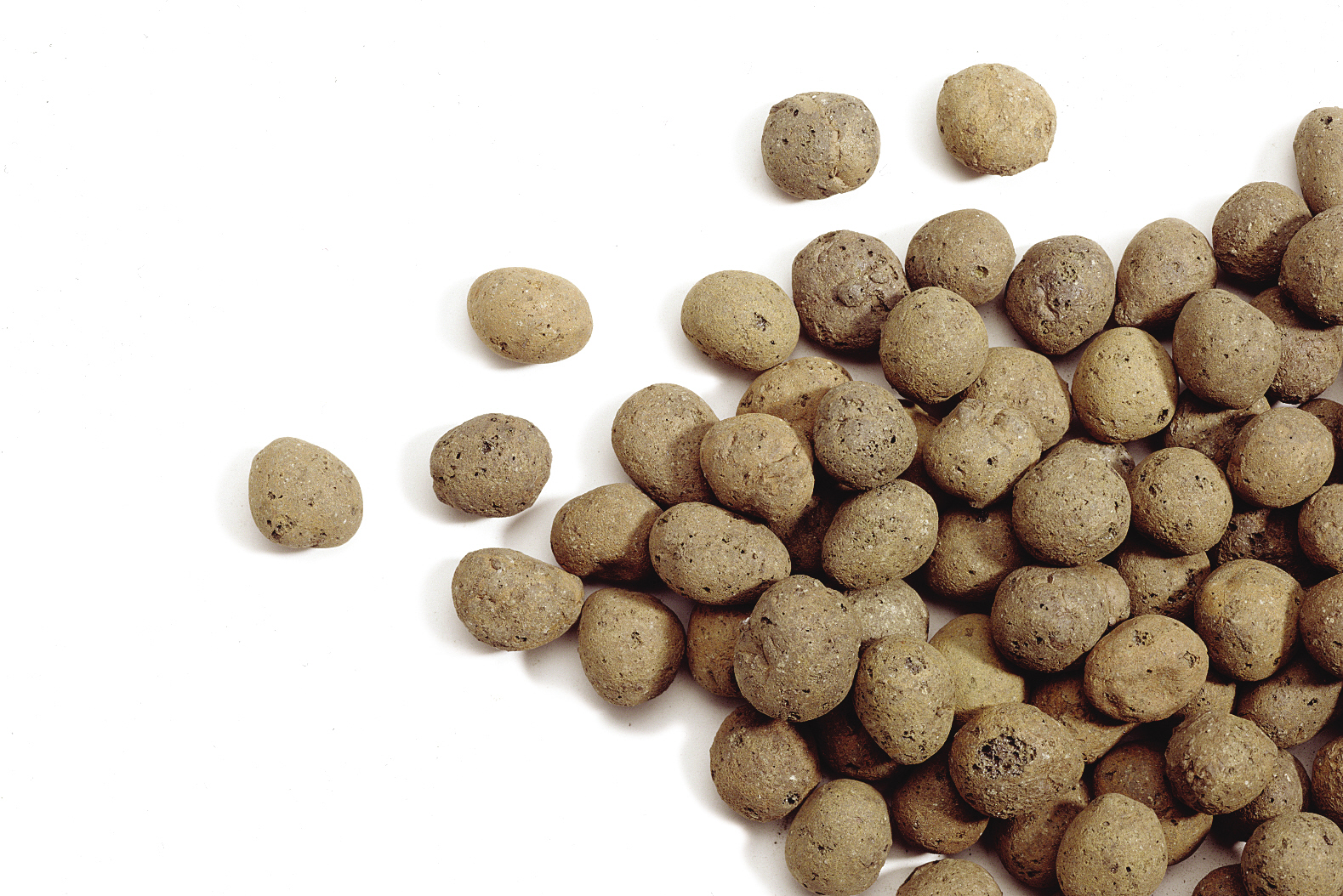
Low bulk density and high strength, combined with easy handling at the building site makes LECA® LWA a very competetive aggregate solving geotechnical problems as:
- Load compensation
- Reduced settlements
- Reduced earth pressure
- Frost insulation
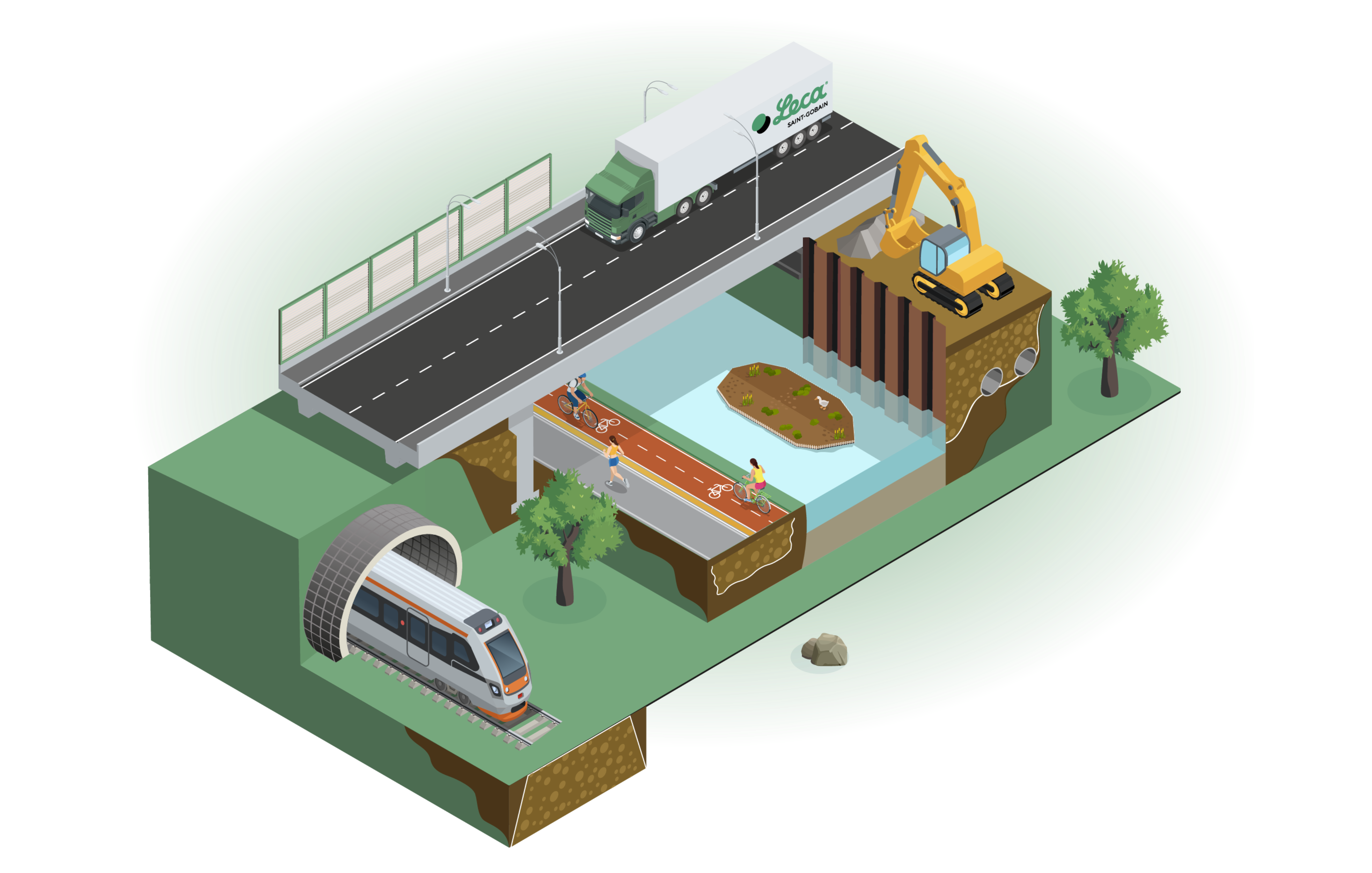
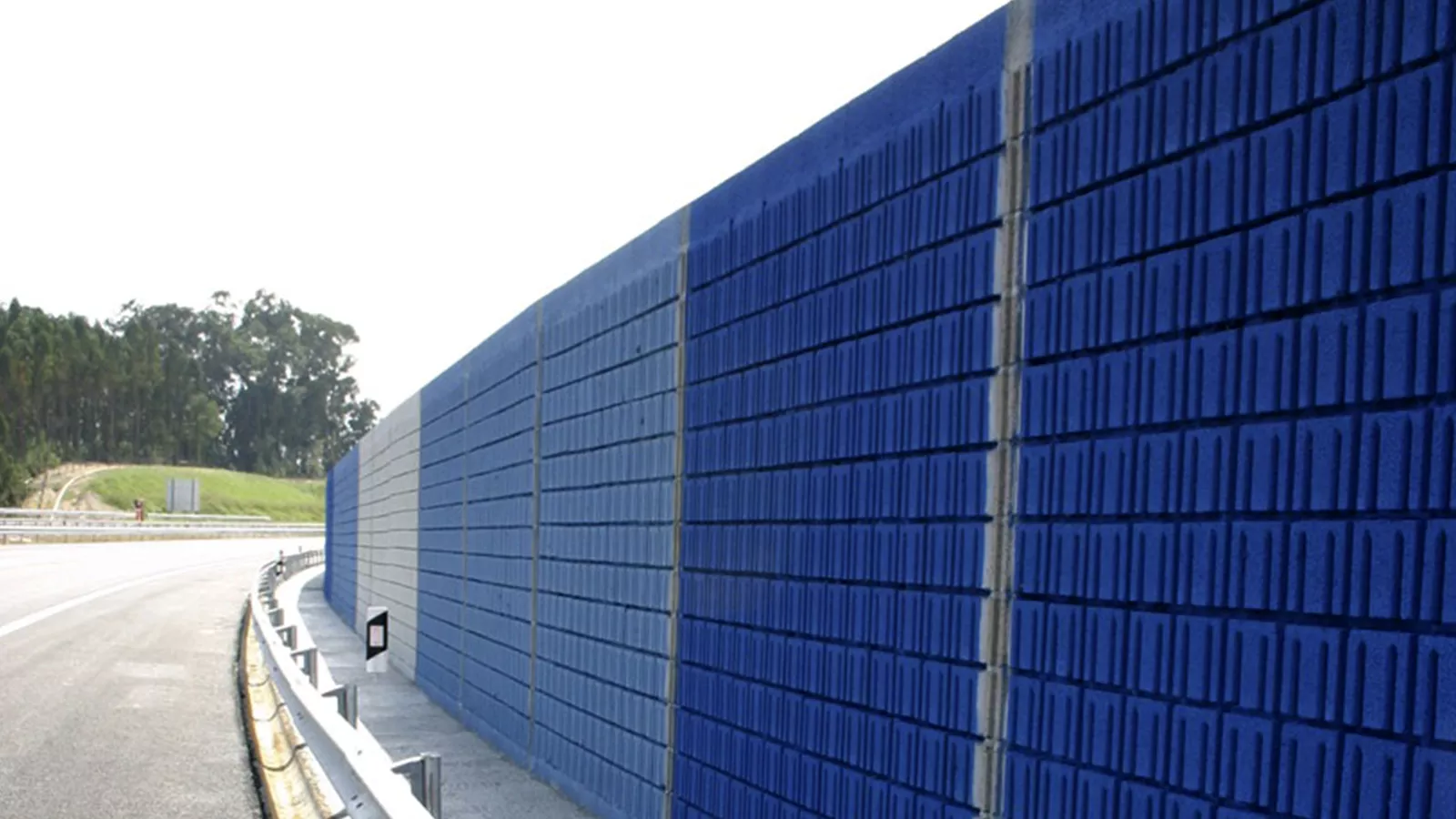
Sound absorbing wall systems provides high and effective protection against the noise of road, rail and industrial traffic. The elements or pannels are produced with lightweight concrete using Leca® LWA as the LW aggregate resulting in excelent characteristics:
- High acoustic insulation
- Fast and Easy installation
- Long lifetime and little maintenance
Case study: https://www.leca.pt/pre-fabricacao/parede-barreira-acustica-mursom
Leca® LWA is well suited for use as lightweight aggregate in concrete products. As the weight is low it is possible to produce light masonry construction blocks with good insulation characteristics. Ready mix and precast LWAC may be produced with a large number of densities and with compressive strength up to 70 MPa or even more.
LWAC is today used in large number of constructions all over the world. Some examples of utilizing the benefits by LWAC are mentioned below:
- Structural slabs for housing or infrastructure
- Foundations and supporting structures
- Bridges; long span or wide platforms
- Floating structures as offshore wind mills or fish farms.
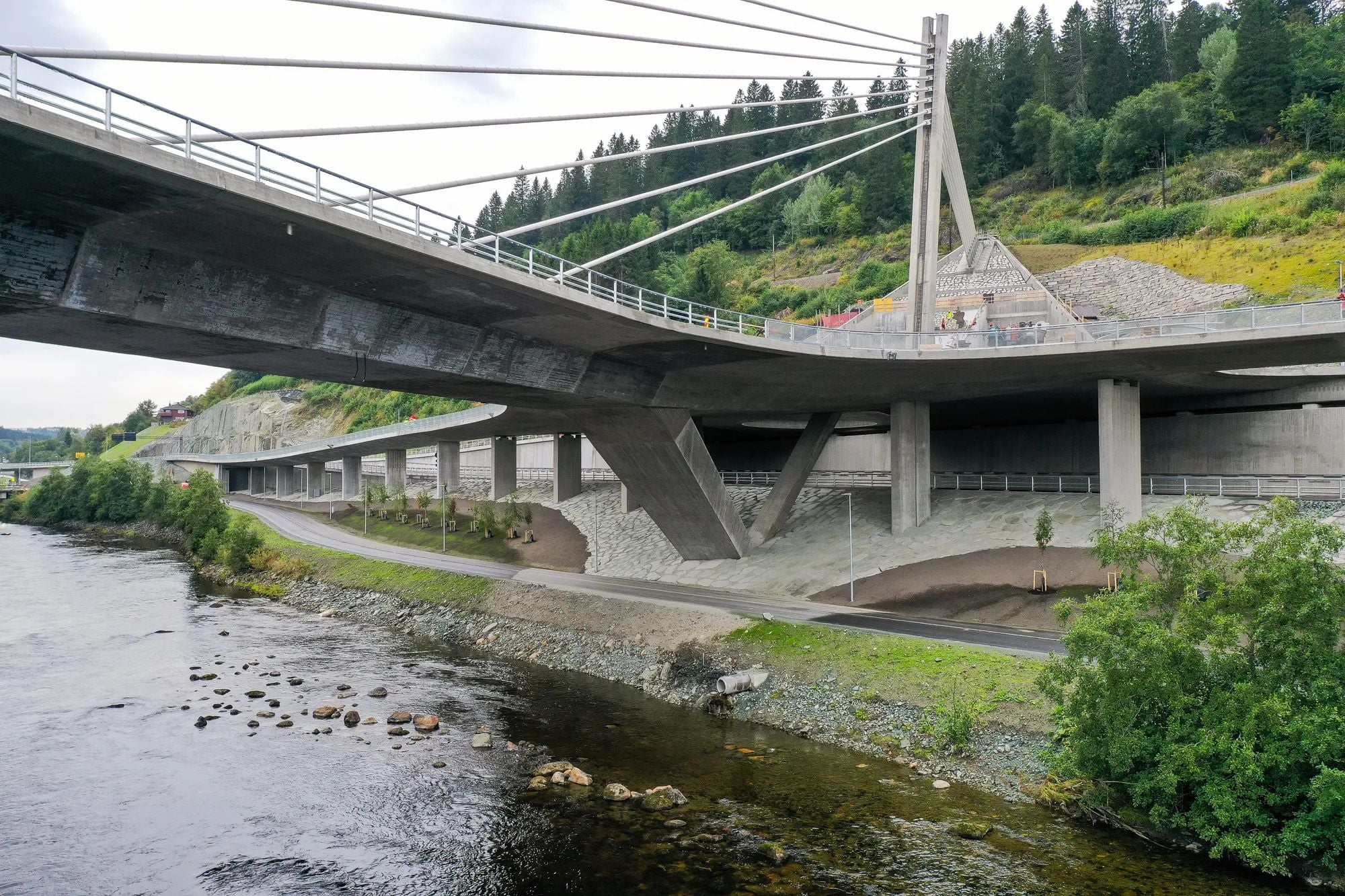
With Leca® LWA we build wider and longer...
Case study: https://www.leca.co.uk/case-studies/Worlds-Largest-Cantilever-Bridge
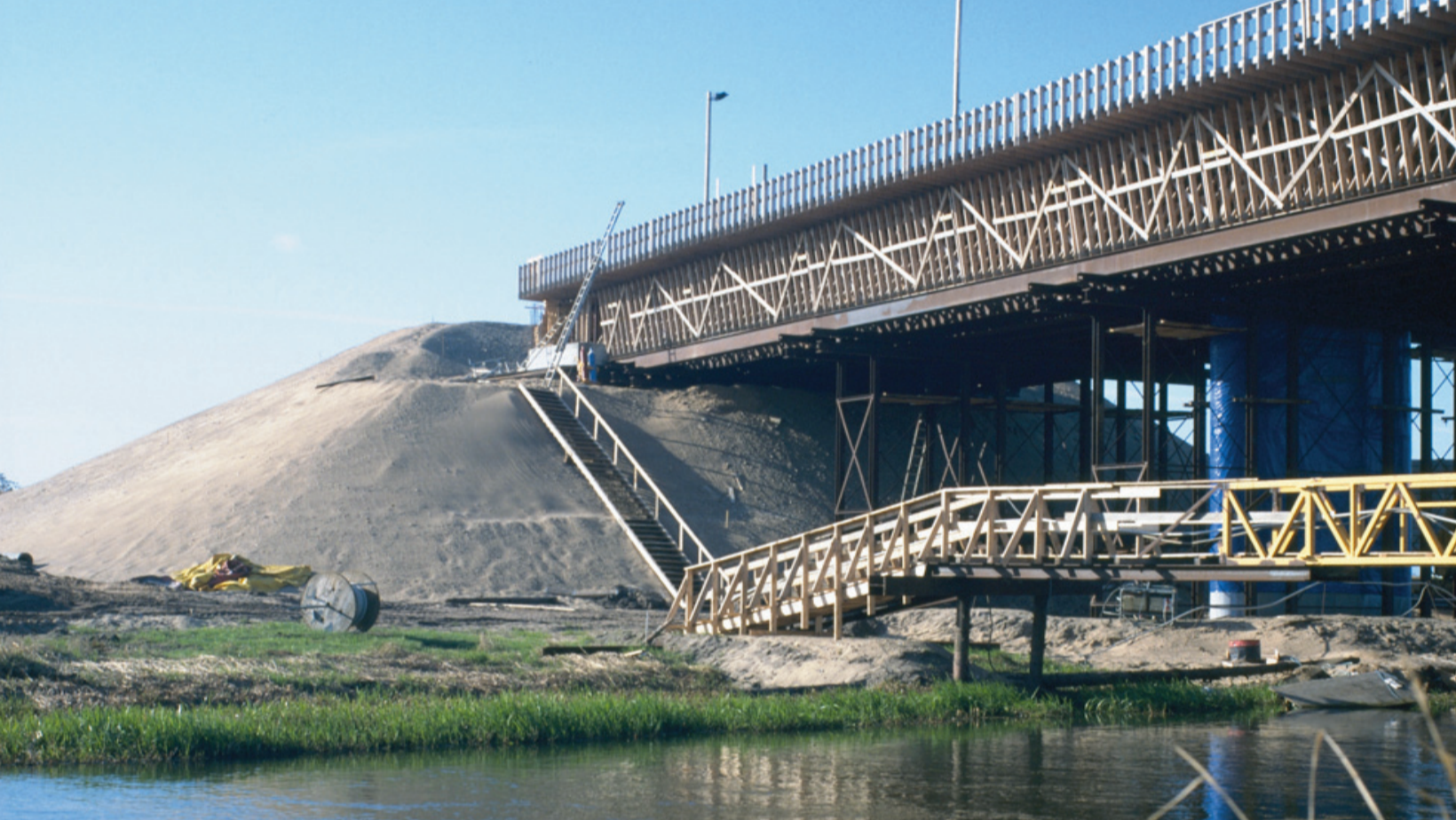
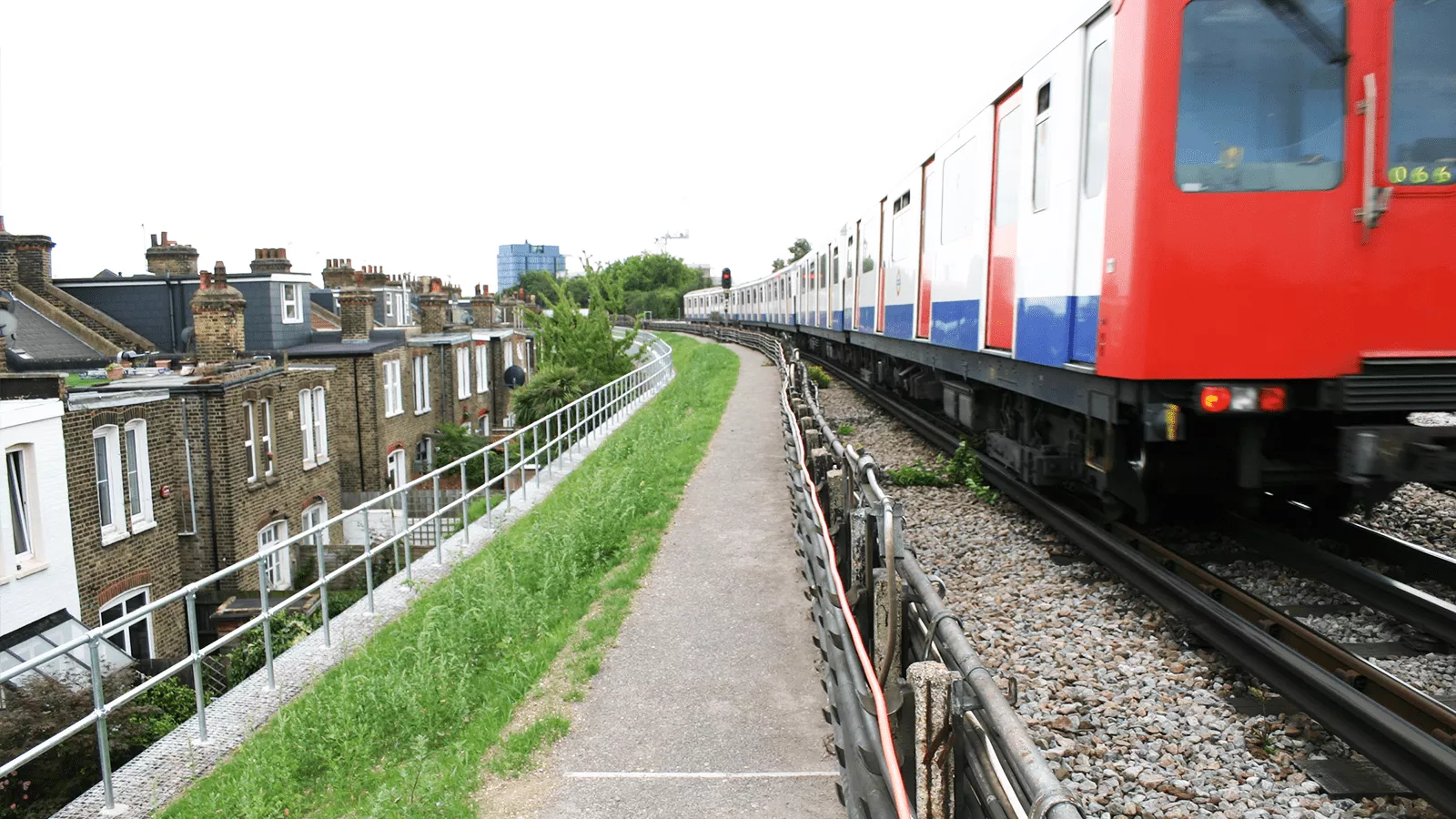
Construction of embankments over weak and compressible soil deposits, where the loading of the embankment causes soil consolidation and settlement, is common.
Due to the lightweight of Leca® LWA, settlements will be considerable reduced or eliminated in the connection zone between structure and road / railway.
Additionally, the excelent drainage capacity of the aggregate will ensure stable load over time, againg eliminating risk of failure / ettlements.
Case study: https://www.leca.co.uk/case%20studies/preston-western-distributor-road-pwdr-Becconsall-Bridge
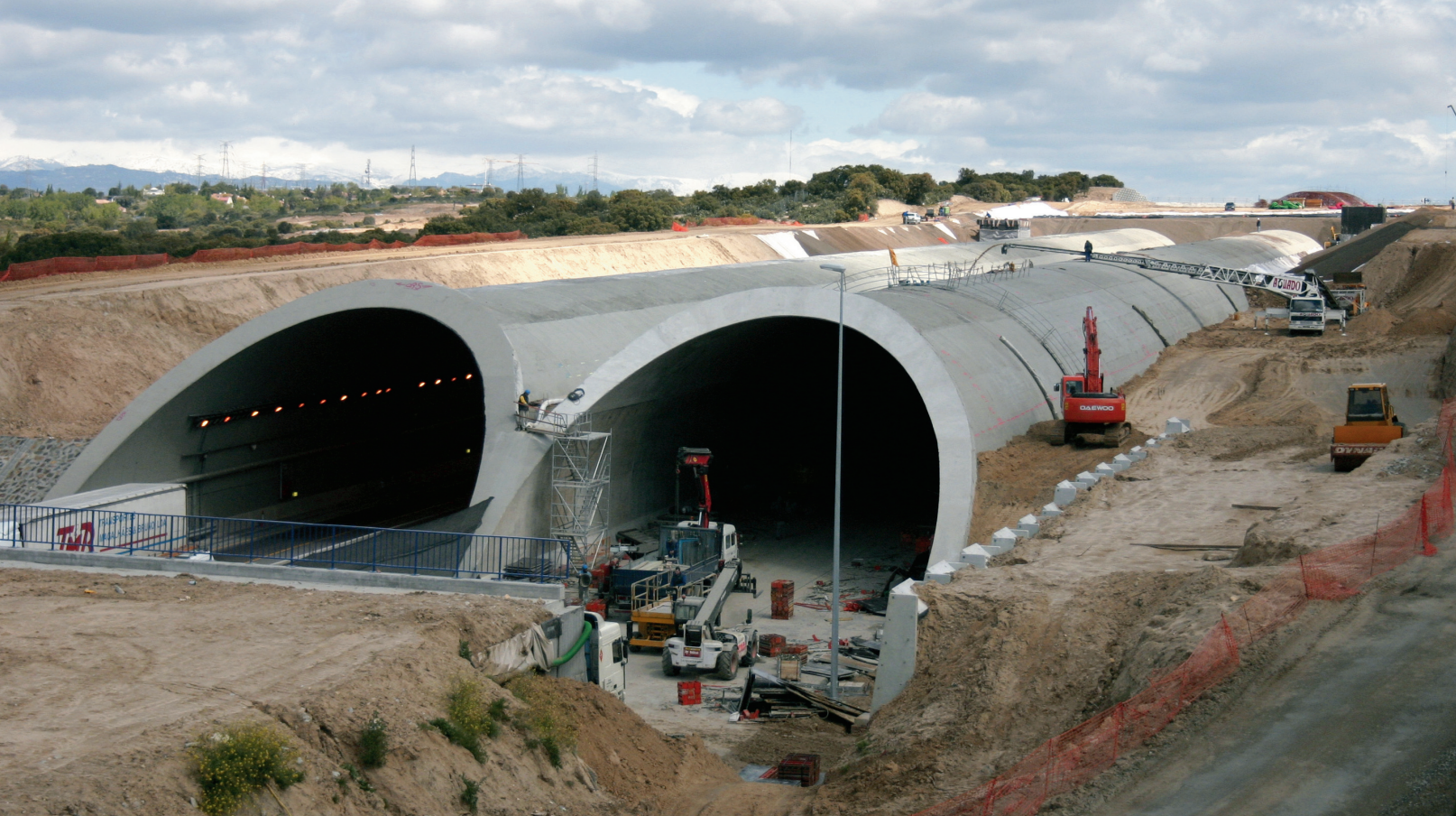
In areas prone to mining subsidence or where ground conditions contain natural sub formation voids, culvert or tunnels and there is a danger of collapse, lightning the weight using Leca® LWA above is the solution.
In particular, during the construction of tunnels, unexpected voids and small cavities around the concrete may collapse on the structure. Lightweight filling with the use of loose or cemented bound Leca® LWA can be archived with very low costs of handling thanks to the pumping / blowing service.
Case study: https://www.leca.no/referanser/gjor-tunnelene-brannsikre-med-leca
Construction of embankments over weak and compressible soil deposits, where the loading of the embankment causes soil consolidation and settlement, is common. Depending on the height of the embankment, the depth of the weak soil deposit and the consolidation properties of the soil strata, total settlements can be very deep and problematic in terms of road evenness, function and durability of the road construction.
Due to the lightweight of Leca® LWA, settlements will be considerable reduced or eliminated.
Additionally, the excelent drainage capacity of the aggregate will ensure stable load over time, againg eliminating risk of failure / ettlements.
Case study: https://www.leca.no/referanser/follobanen-et-bunnsolid-samferdselsprosjekt
A fill structure produces additional loads when it is placed and compacted on a landscape environment; the effects of the additional load are typically most pronounced in the locations of the landscape containing a soft soil subgrade. The load magnitude depends on the fill material density and thickness, and the effect of the additional load produces long term settlement of the landscape embankment or structure. Magnitude of the load affects settlement sensitive soil in proportion of the softness of the soil, with impacts ranging from high total settlement to unacceptably high differential settlement or tilting of the structure.
By using Leca LWA as a fill material within landscapes, the impact of additional loads produced by the soil layers on the subgrade can be reduced significantly and long term settlements decreased. Differential settlements created by loads or soil conditions can also be compensated with the help of a transitional lightweight structure.
When the groundwater or surface water level is high, it can also be good practice to partially reduce the weight of the fill structure to ease the pressure on the surrounding area. This structure was designed with consideration to buoyancy connected with rising water levels within structures located in vicinity of a water body or flood area.
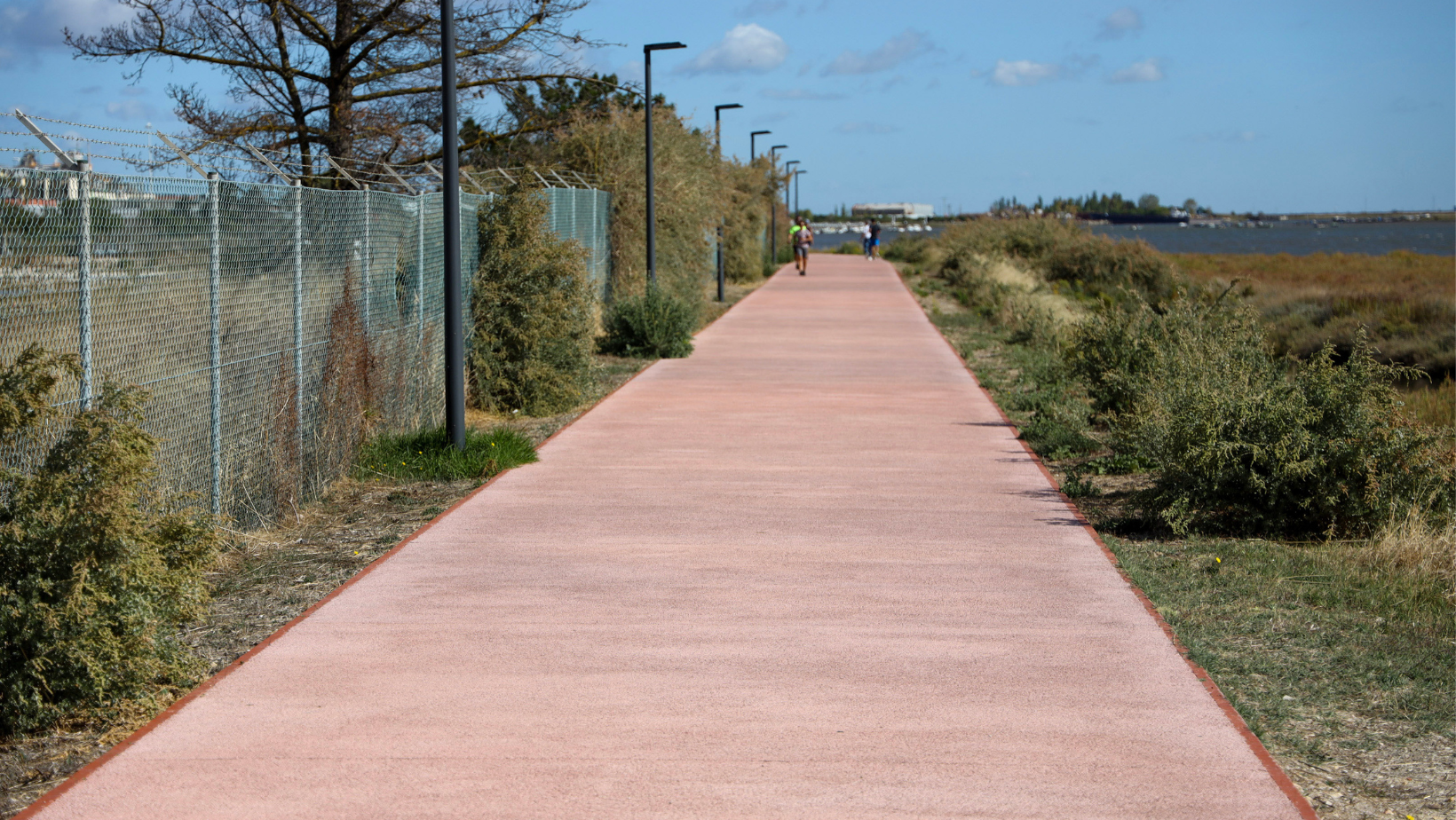
Construction of embankments over weak and compressible soil deposits, where the loading of the embankment causes soil consolidation and settlement, is common. Depending on the height of the embankment, the depth of the weak soil deposit and the consolidation properties of the soil strata, total settlements can be very deep and problematic in terms of road evenness, function and durability of the road construction.
Due to the lightweight of Leca® LWA, settlements will be considerable reduced or eliminated.
Additionally, the excelent drainage capacity of the aggregate will ensure stable load over time, againg eliminating risk of failure / ettlements.
Case study: https://www.leca.dk/referencer/cykelsti-varde
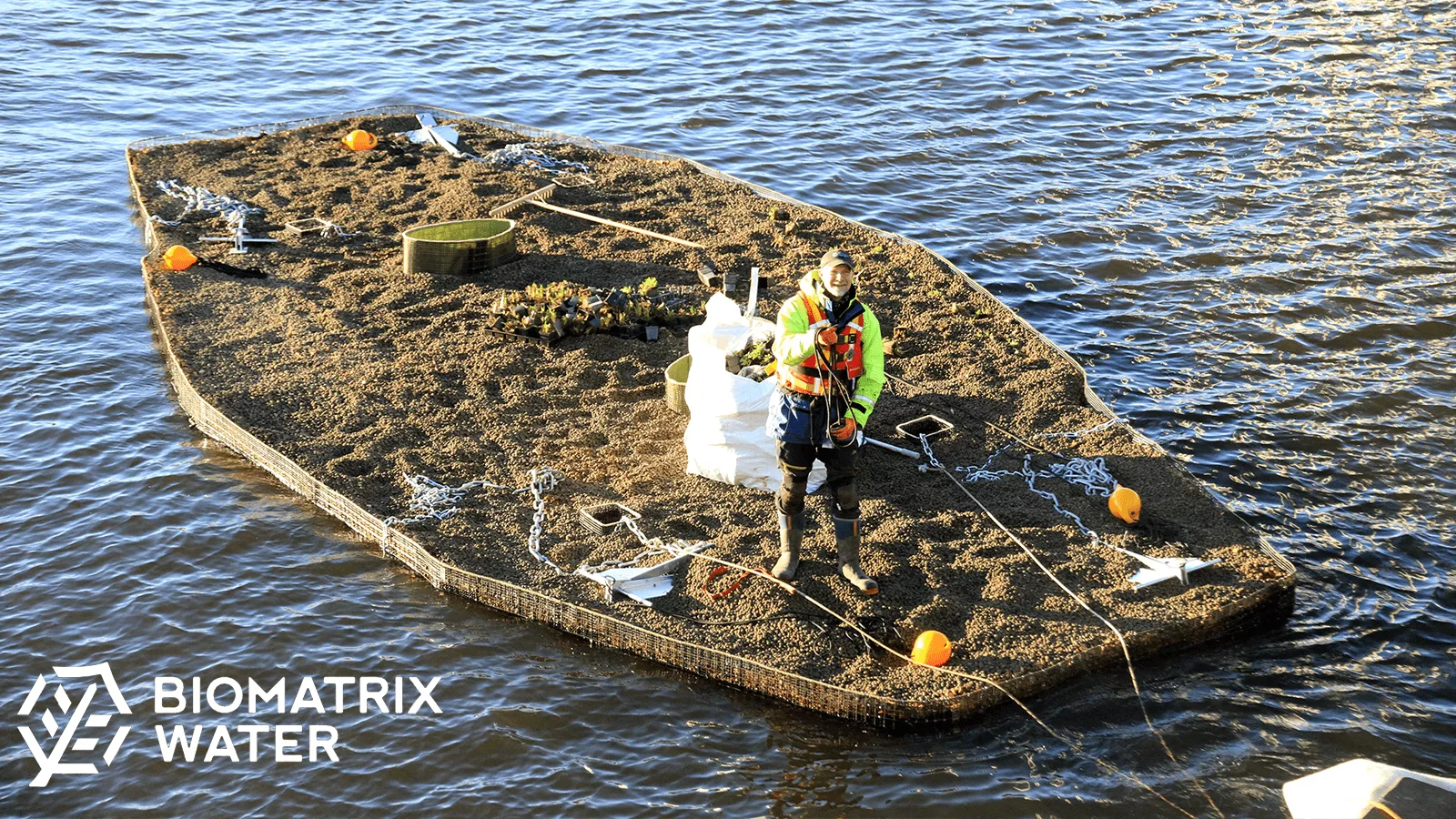
Floating Ecosystem Modules have multiple benefits including habitat creation, urban waterscaping, water quality management and waste water treatment. The lightweight of Leca® LWA makes the islands floating but also facilitate the assembly and installation of the structures.
Due to the shape and structure of the Leca® LWA the roots of the plants will easily develop, like the biofilm helping the cleaning of the water.
Case study: https://www.leca.co.uk/case-studies/GLASGOW-FLOATING-ECOSYSTEM-WETLANDS
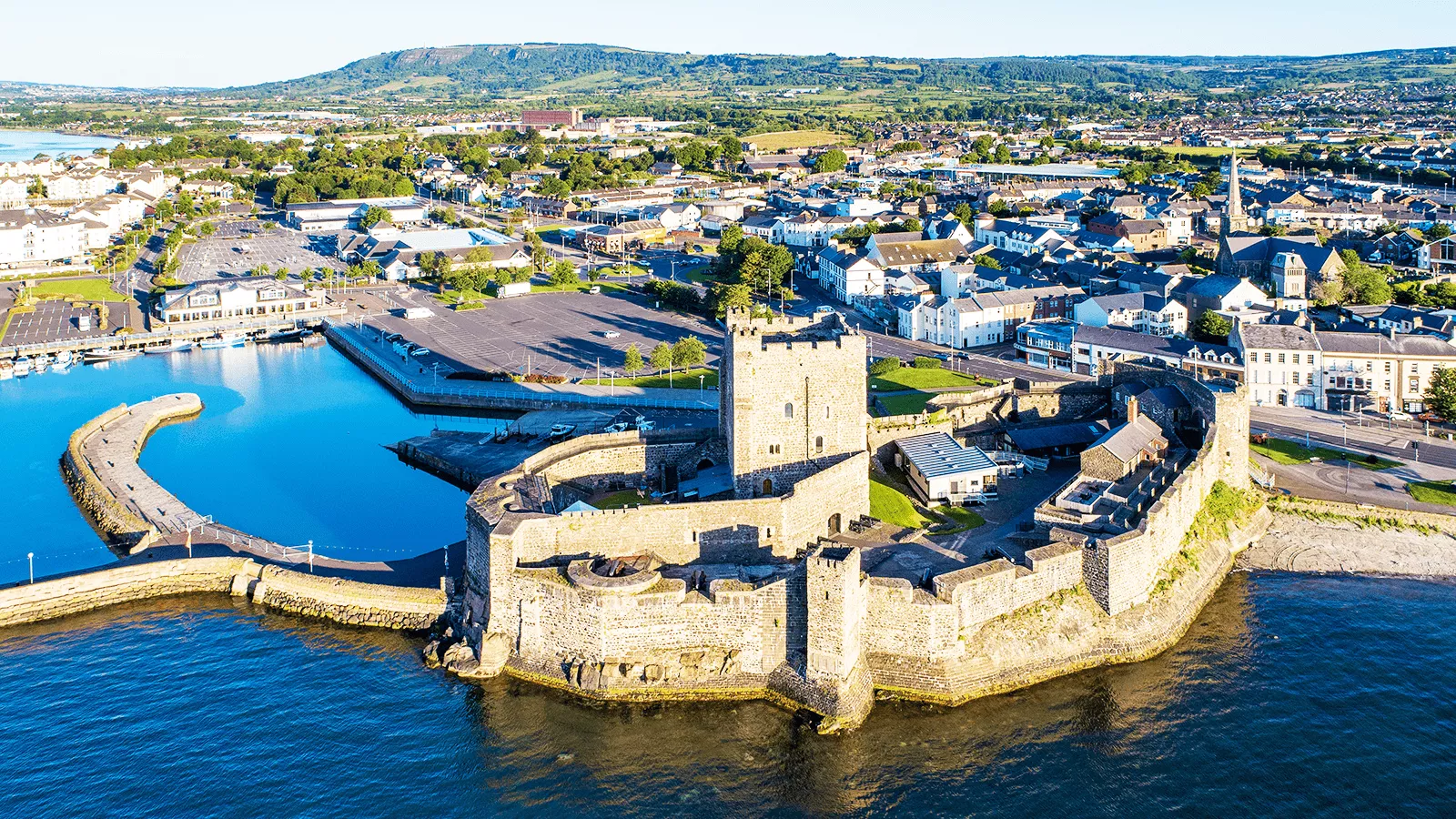
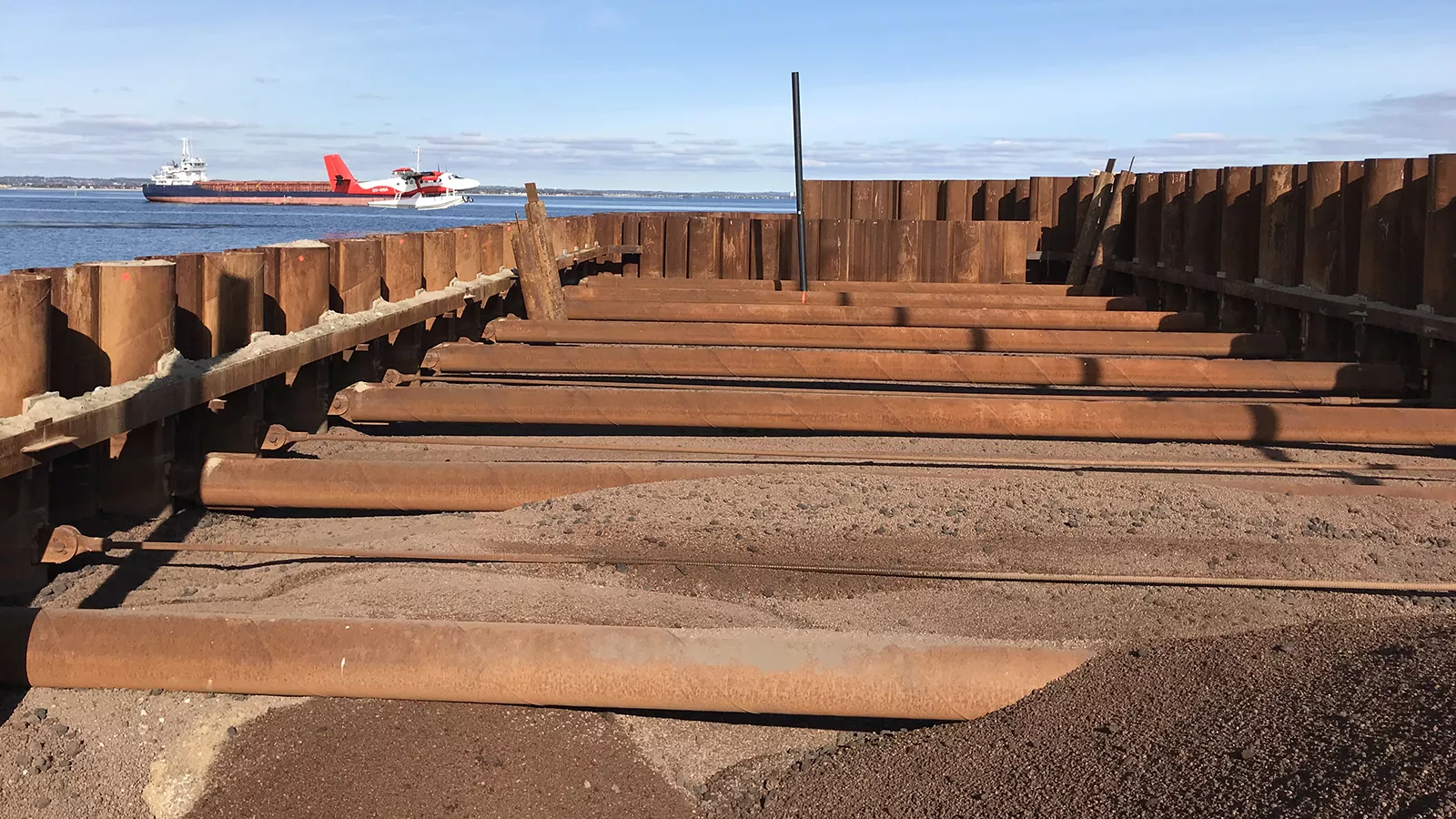
When extending the land into water, the soft and muddy soil conditions is often a geotechnical problem. Leca® LWA will help compensate the load and reduce the load to the confining structures. Leca® LWA can be used in quays or land extention designs such as sheet pile, sheet pile cell and caisson structures and is also used as fill replacement in solid berth structures when quayside waters are dredged to greater depths. Leca® LWA not only has a very low unit weight, it also has minimal buoyancy, making it particularly suitable for filling directly into water.
By depositing the aggregate directly into place from a boat equipped with its own offloading gear, exceptionally fast progress can be made with 250-300 m3 per hour quite achievable.
Case study: https://www.leca.dk/referencer/molslinjen
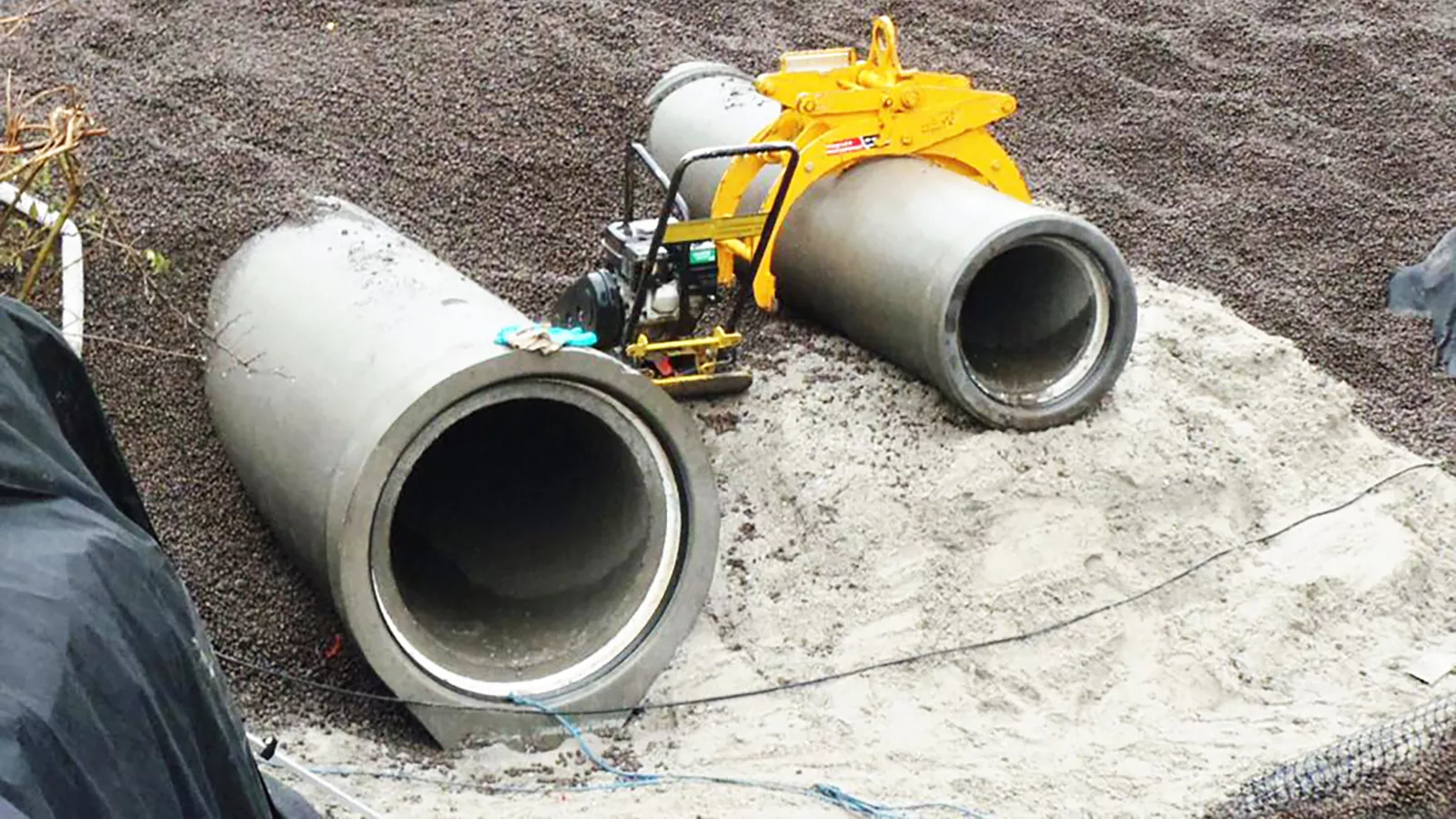
When extending the land into water, Maintaining the levels of any piping system can be difficult when the drain runs across soft soil. Leca® LWA can be used as a lightweight pipe surround, reducing the pressure to the underlying soils and minimising the likelihood of irregular settlement.
The added benefit of using Leca® LWA as a pipe surround is that there is litlle danger of any damage to pipelines during backfilling and the likelihood of damage from settlement is also reduced. Not to mention the thermal insulation given by the aggregate, insulating the pipes for loosing energy or damaging in freezing environments.
Case study: https://www.leca.no/losninger/infrastruktur/grunne-grofter
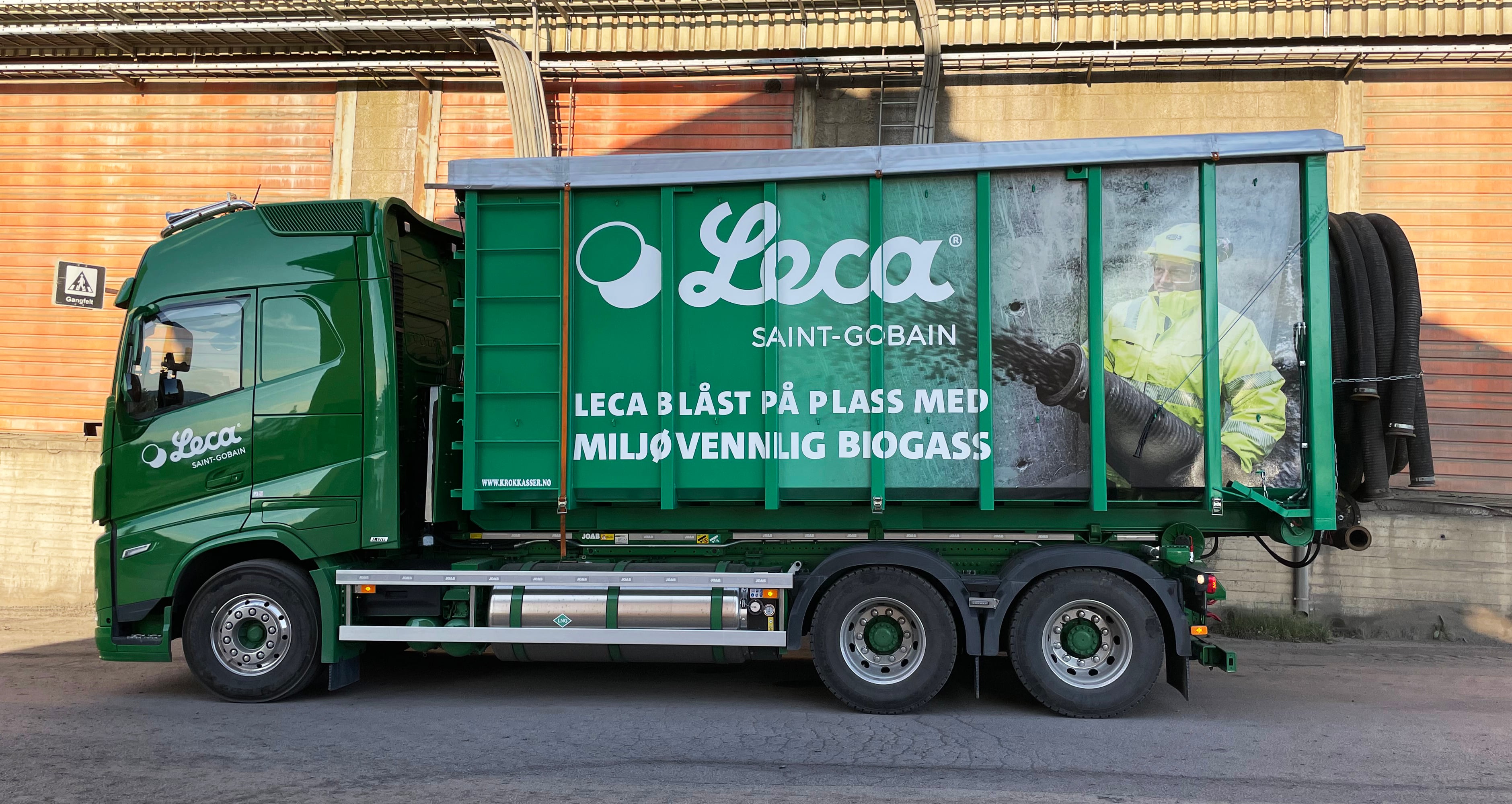
Different types of suppling Leca® LWA:
- Small bags, from 10 to 50 L
- Big bags, from 1 to 3 m3
- Bulk
- Blowing trucks
Sound absorbing wall systems provides high and effective protection against the noise of road, rail and industrial traffic. The elements or pannels are produced with lightweight concrete using Leca® LWA as the LW aggregate resulting in excelent characteristics:
- High acoustic insulation
- Fast and Easy installation
- Long lifetime and little maintenance
Case study: https://www.leca.pt/pre-fabricacao/parede-barreira-acustica-mursom
Leca® LWA is well suited for use as lightweight aggregate in concrete products. As the weight is low it is possible to produce light masonry construction blocks with good insulation characteristics. Ready mix and precast LWAC may be produced with a large number of densities and with compressive strength up to 70 MPa or even more.
LWAC is today used in large number of constructions all over the world. Some examples of utilizing the benefits by LWAC are mentioned below:
- Structural slabs for housing or infrastructure
- Foundations and supporting structures
- Bridges; long span or wide platforms
- Floating structures as offshore wind mills or fish farms.
With Leca® LWA we build wider and longer...
Case study: https://www.leca.co.uk/case-studies/Worlds-Largest-Cantilever-Bridge
Construction of embankments over weak and compressible soil deposits, where the loading of the embankment causes soil consolidation and settlement, is common.
Due to the lightweight of Leca® LWA, settlements will be considerable reduced or eliminated in the connection zone between structure and road / railway.
Additionally, the excelent drainage capacity of the aggregate will ensure stable load over time, againg eliminating risk of failure / ettlements.
Case study: https://www.leca.co.uk/case%20studies/preston-western-distributor-road-pwdr-Becconsall-Bridge
In areas prone to mining subsidence or where ground conditions contain natural sub formation voids, culvert or tunnels and there is a danger of collapse, lightning the weight using Leca® LWA above is the solution.
In particular, during the construction of tunnels, unexpected voids and small cavities around the concrete may collapse on the structure. Lightweight filling with the use of loose or cemented bound Leca® LWA can be archived with very low costs of handling thanks to the pumping / blowing service.
Case study: https://www.leca.no/referanser/gjor-tunnelene-brannsikre-med-leca
Construction of embankments over weak and compressible soil deposits, where the loading of the embankment causes soil consolidation and settlement, is common. Depending on the height of the embankment, the depth of the weak soil deposit and the consolidation properties of the soil strata, total settlements can be very deep and problematic in terms of road evenness, function and durability of the road construction.
Due to the lightweight of Leca® LWA, settlements will be considerable reduced or eliminated.
Additionally, the excelent drainage capacity of the aggregate will ensure stable load over time, againg eliminating risk of failure / ettlements.
Case study: https://www.leca.no/referanser/follobanen-et-bunnsolid-samferdselsprosjekt
A fill structure produces additional loads when it is placed and compacted on a landscape environment; the effects of the additional load are typically most pronounced in the locations of the landscape containing a soft soil subgrade. The load magnitude depends on the fill material density and thickness, and the effect of the additional load produces long term settlement of the landscape embankment or structure. Magnitude of the load affects settlement sensitive soil in proportion of the softness of the soil, with impacts ranging from high total settlement to unacceptably high differential settlement or tilting of the structure.
By using Leca LWA as a fill material within landscapes, the impact of additional loads produced by the soil layers on the subgrade can be reduced significantly and long term settlements decreased. Differential settlements created by loads or soil conditions can also be compensated with the help of a transitional lightweight structure.
When the groundwater or surface water level is high, it can also be good practice to partially reduce the weight of the fill structure to ease the pressure on the surrounding area. This structure was designed with consideration to buoyancy connected with rising water levels within structures located in vicinity of a water body or flood area.
Construction of embankments over weak and compressible soil deposits, where the loading of the embankment causes soil consolidation and settlement, is common. Depending on the height of the embankment, the depth of the weak soil deposit and the consolidation properties of the soil strata, total settlements can be very deep and problematic in terms of road evenness, function and durability of the road construction.
Due to the lightweight of Leca® LWA, settlements will be considerable reduced or eliminated.
Additionally, the excelent drainage capacity of the aggregate will ensure stable load over time, againg eliminating risk of failure / ettlements.
Case study: https://www.leca.dk/referencer/cykelsti-varde
Floating Ecosystem Modules have multiple benefits including habitat creation, urban waterscaping, water quality management and waste water treatment. The lightweight of Leca® LWA makes the islands floating but also facilitate the assembly and installation of the structures.
Due to the shape and structure of the Leca® LWA the roots of the plants will easily develop, like the biofilm helping the cleaning of the water.
Case study: https://www.leca.co.uk/case-studies/GLASGOW-FLOATING-ECOSYSTEM-WETLANDS
When extending the land into water, the soft and muddy soil conditions is often a geotechnical problem. Leca® LWA will help compensate the load and reduce the load to the confining structures. Leca® LWA can be used in quays or land extention designs such as sheet pile, sheet pile cell and caisson structures and is also used as fill replacement in solid berth structures when quayside waters are dredged to greater depths. Leca® LWA not only has a very low unit weight, it also has minimal buoyancy, making it particularly suitable for filling directly into water.
By depositing the aggregate directly into place from a boat equipped with its own offloading gear, exceptionally fast progress can be made with 250-300 m3 per hour quite achievable.
Case study: https://www.leca.dk/referencer/molslinjen
When extending the land into water, Maintaining the levels of any piping system can be difficult when the drain runs across soft soil. Leca® LWA can be used as a lightweight pipe surround, reducing the pressure to the underlying soils and minimising the likelihood of irregular settlement.
The added benefit of using Leca® LWA as a pipe surround is that there is litlle danger of any damage to pipelines during backfilling and the likelihood of damage from settlement is also reduced. Not to mention the thermal insulation given by the aggregate, insulating the pipes for loosing energy or damaging in freezing environments.
Case study: https://www.leca.no/losninger/infrastruktur/grunne-grofter
Different types of suppling Leca® LWA:
- Small bags, from 10 to 50 L
- Big bags, from 1 to 3 m3
- Bulk
- Blowing trucks