

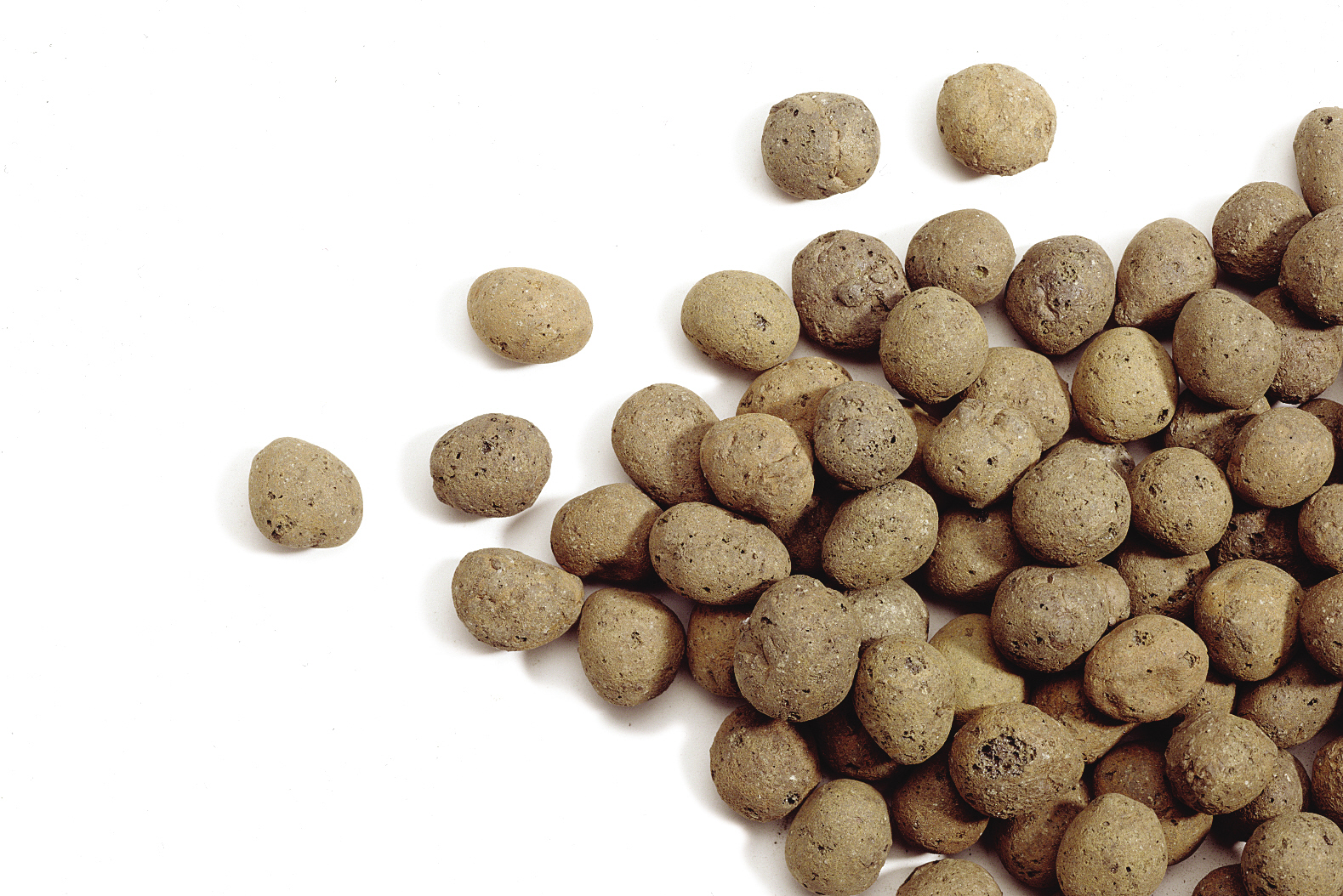
A Step Towards Circularity: Recycled Plastic in LECA® Packaging

At LECA, we believe that even the smallest choices can make a big difference—especially when it comes to sustainability. That’s why we’re proud to share this chapter in our journey: the introduction of recycled plastic in our product packaging.
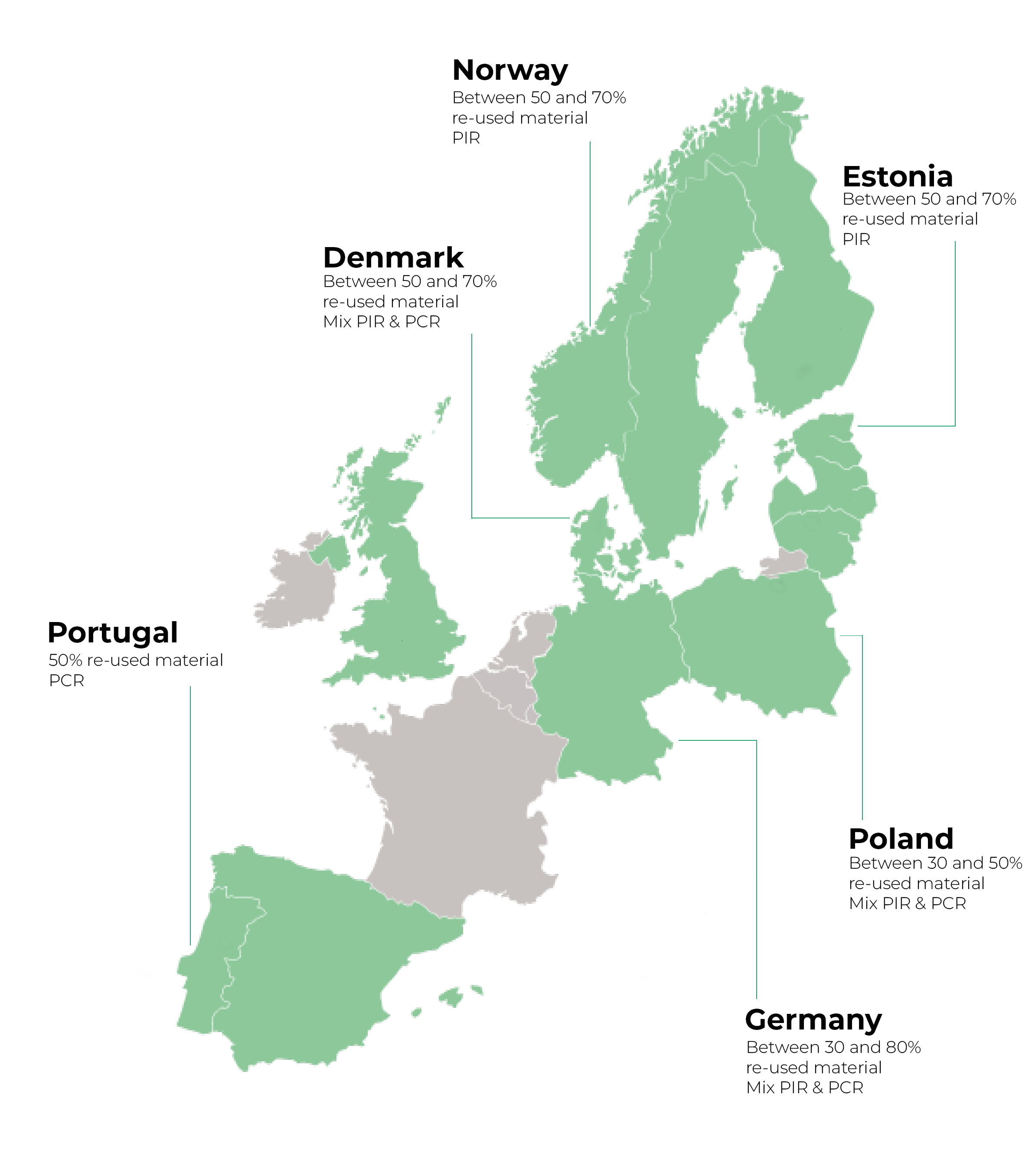
Re-used content in our own Leca small bags in the different countries
This change reflects our ongoing commitment to reducing environmental impact and promoting circular solutions. It’s a step forward that connects innovation with responsibility—core values that guide us every day.
We spoke with Ole Lildballe, Purchasing Responsible, and Ana Raquel Fernandes, Sustainability Specialist at Leca International, to learn more about the motivation, challenges, and impact of this initiative.
Working with Purpose
Ole Lildballe – Purchasing Responsible, Leca International
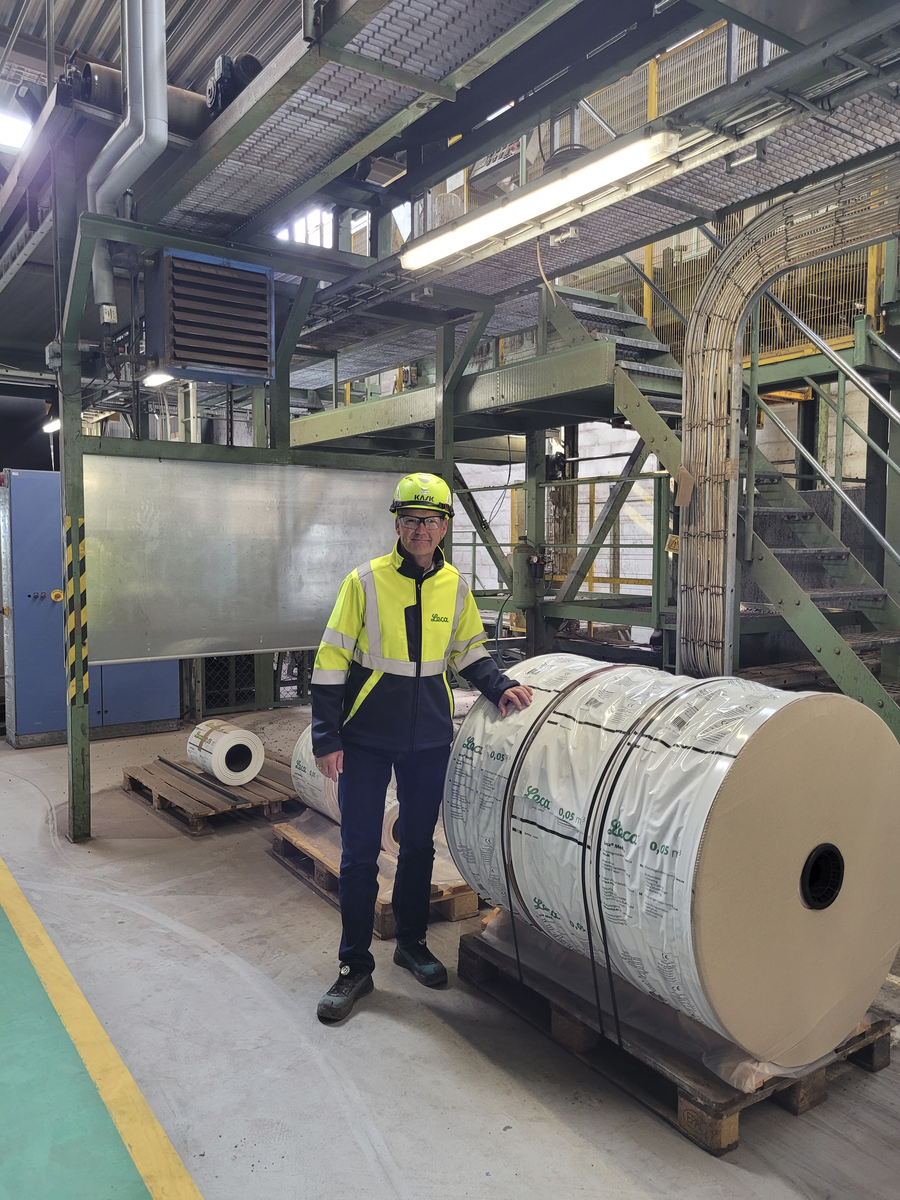
“Recycled packaging is not just a technical choice—it’s a statement about the kind of future we want to build.”
We asked Ole to reflect on the journey toward integrating recycled content into our packaging, from early decisions to the challenges and opportunities still ahead:
How does this initiative align with LECA and Saint-Gobain’s sustainable procurement strategy? Can you describe how things have evolved?
In the past, sourcing packaging with re-used content was challenging, and prices were higher than for virgin plastic. Today, the landscape has changed: all suppliers can provide recycled content, costs are equal to virgin materials, and production runs without disruption. This progress strengthens LECA and Saint-Gobain’s sustainable procurement strategy, where the focus is on steadily increasing recycled content and moving fully to PCR before 2030.
How are suppliers of recycled materials selected, and what standards must they meet?
Suppliers are assessed based on price, quality, delivery reliability, and the level of re-used content they can provide—ensuring both performance and sustainability.
What were the key challenges in introducing recycled plastic into LECA’s packaging?
At first, only a few suppliers could provide packaging with re-used content, and prices were higher. Today, more suppliers are involved, but the level of re-used content still varies. It is a continuous journey to improve and raise the share of recycled input.
Has this change impacted costs or day-to-day operations?
Initially, costs were higher, and some small adjustments were needed on packaging machines. Once completed, operations ran normally. Today, recycled content costs the same as virgin plastic, and production processes run without extra expense.
Looking forward, what’s the next challenge in developing sustainable packaging materials?
The next challenge is to increase the share of recycled content and shift fully to PCR (Post-Consumer Residue). At present, the mix includes both PIR (Post-Industrial Residue) and PCR, but by 2030 LECA aims to use only PCR—closing the loop and maximizing circularity.
For Ole, the initiative shows how even small changes in materials can create a ripple effect. It highlights LECA’s commitment to practical solutions that make sustainability part of daily operations while steering the company toward long-term goals.
A Piece of a Bigger Picture
Ana Raquel Fernandes – Sustainability Specialist, Leca International
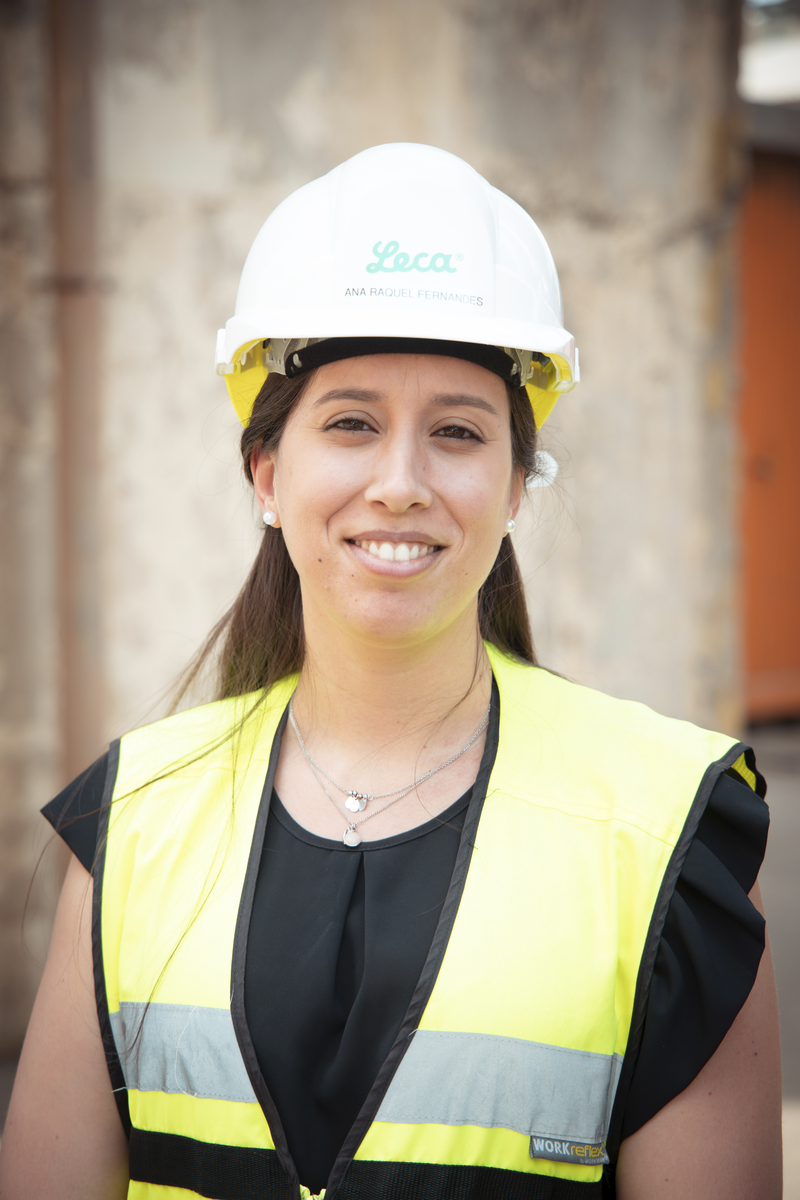
“Every step we take is connected. Recycled packaging is one part of a much bigger journey.”
For Ana, this initiative is about more than packaging—it’s about how LECA approaches sustainability as a whole.
How does the use of recycled plastic fit into LECA’s sustainability vision?
LECA is committed to delivering solutions that support circularity and environmental performance. Using recycled content in packaging strengthens that commitment by reducing fossil resource use and minimizing waste.
Which are the environmental benefits?
At LECA, the recycled plastic used in the packing material is from post-consumer origin, which permits to decrease the quantity of virgin plastic consumption. As an example, according with the European Union for each tonne of recycled plastic used to 2 tonnes of CO₂ emissions are avoid, in addition to significantly reducing energy and water consumption. The adaptation process is on going but today is already possible to see plastic bags with 80% of recycle content.
How is material origin and compliance verified?
We work exclusively with certified suppliers who guarantee full traceability. All materials meet the internal standards for safety, quality, and environmental compliance.
Does this initiative contribute to carbon neutrality targets?
Absolutely. It is part of LECA’s decarbonisation plan and contributes to the Saint-Gobain Group’s global commitment to carbon neutrality by 2050. It complements other actions such as process optimisation and renewable energy use.
Does this change in packaging influence other ongoing sustainability projects at LECA?
Yes, it is part of an integrated approach. We want to increase the recycle content as much as possible and at the same time reduce the plastic consumption. The use of this type of material needs to be allows followed by optimization processes in our industry. The experience with recycled materials in packaging paves the way for other applications in product development, logistics, and industrial design.
One Change, Many Ripples
At LECA, we know there’s no single solution to sustainability. It’s a journey made up of choices, big and small, that shape the kind of future we want to help build. Introducing recycled plastic into our packaging is just one step. But it’s one we’re proud to take.
And we’re not stopping here.

