

Building Resilience with Green Infrastructure: Cristina Calheiros on Sustainable Water Management

At Leca International, we believe the future of construction is shaped not only by strong materials but also by strong ideas. In the latest edition of BUILD Magazine, we feature an inspiring interview with Cristina Calheiros—renowned environmental engineer, researcher, and European Climate Pact Ambassador—who is helping redefine how green infrastructure supports sustainable cities.
Cristina has spent more than 20 years developing nature-based solutions that bring life back into urban areas. From constructed wetlands and floating islands to green roofs and vertical gardens, her projects show how green infrastructure can transform stormwater management and climate resilience.
“The future lies in smart, sustainable, and territory-integrated systems that not only better control rainfall but also promote greener and more resilient cities,” Cristina explains in the interview.
Why Green Infrastructure Matters for Stormwater Management
Climate change is driving heavier rains, longer droughts, and higher flood risks. Traditional “grey” infrastructure alone can’t keep up with these challenges. Cristina highlights how green infrastructure—when combined with traditional systems—offers powerful, cost-effective solutions:
She points to proven practices such as:
- Green roofs and rain gardens that retain and filter water.
- Permeable pavements and infiltration swales that recharge groundwater.
- Rainwater harvesting systems that reduce demand for treated water.
Together, these strategies reduce flood risk, improve water quality, and support urban biodiversity.
Expanded Clay: A Key Material for Green Infrastructure
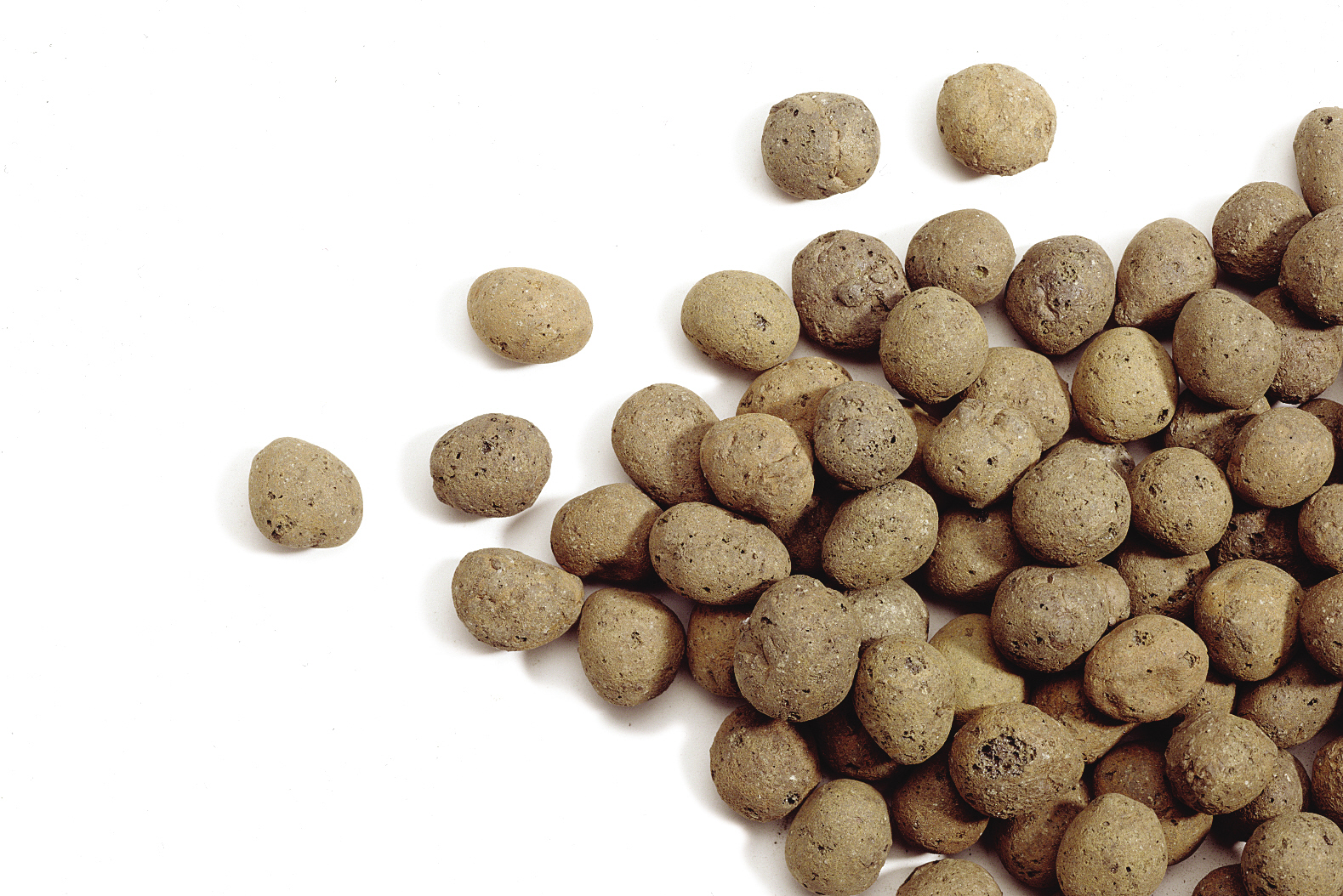
One of the interview’s highlights is Cristina’s recognition of expanded clay as a valuable material in sustainable construction.
With its lightweight, porous, and highly absorbent nature, expanded clay is ideal for:
- Green roofs and vertical gardens where drainage and plant growth are essential.
- Rainwater retention systems that store and gradually release water.
- Permeable pavements that filter pollutants while preventing flooding.
Cristina points out that expanded clay not only supports stormwater management but also promotes biodiversity and helps reduce maintenance needs
Innovation Driving the Future of Green Infrastructure
Looking ahead, Cristina sees green infrastructure evolving alongside smart technologies and biotechnology. Promising innovations include:
- Smart permeable pavements with sensors for real-time water monitoring.
- Modular reservoirs for efficient rainwater storage and reuse.
- Hybrid biofilters with algae and microorganisms for advanced pollutant removal.
- AI-powered predictive models for rainfall and drainage strategies.
These advances, paired with sustainable building materials like Leca® lightweight aggregate, are paving the way for smarter, greener, and more resilient urban environments.
Collaboration Is Key
Cristina emphasizes that the adoption of green infrastructure requires collaboration between universities, construction companies, governments, and communities. At Leca International, we are committed to being part of this ecosystem—developing innovative products, supporting pilot projects, and creating resources to accelerate adoption.
Our mission is clear: to build greener cities, reduce environmental impacts, and enable the transition to sustainable infrastructure solutions.
🌍 Read the full interview in the latest edition of BUILD Magazine and discover how nature-based solutions, supported by innovative materials like Leca®, are shaping the future of sustainable construction.

