

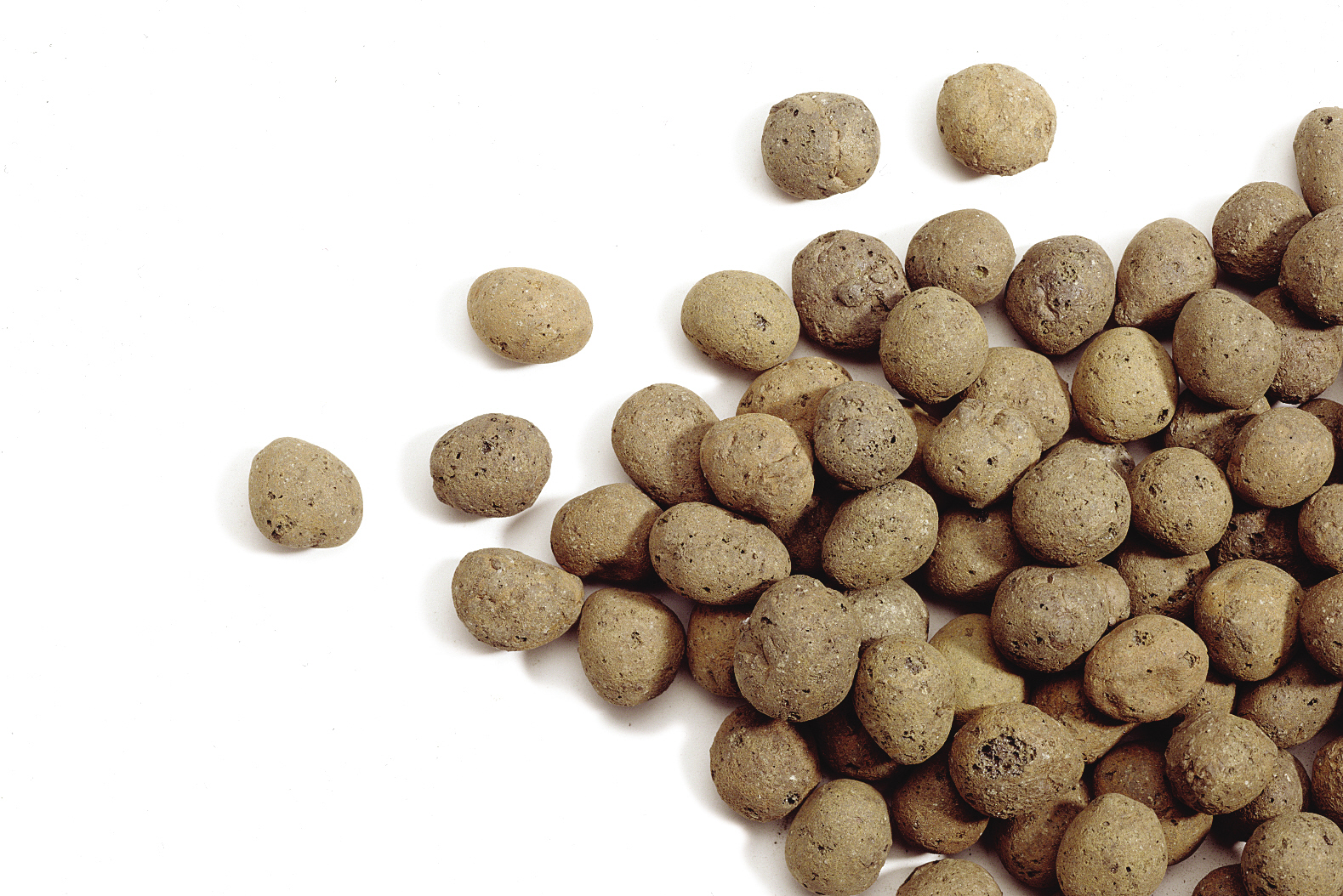
New PEDLER Project Report: Full-Scale Validation of Leca® LWA in Railway Infrastructure

Innovation in infrastructure is not claimed. It is proven with data.
The Spanish Centre for Public Works Studies and Experimentation (CEDEX) has published the final report of the PEDLER project, an experimental full-scale study analysing the performance of Leca(R) LWA as embankment fill material in railway infrastructure.
Developed at the European GEOLAB programme, this project represents a significant step forward in the technical validation of lightweight solutions for critical infrastructure, particularly in demanding scenarios such as high-speed rail.
A full-scale test to answer a key question
Can a lightweight material reliably perform under intensive railway loads?
To answer this, the study evaluates the use of expanded clay in embankments subjected to real service conditions, including:
- Passenger and freight train loads
- Static, dynamic, and fatigue testing
- Simulation of up to one million axle loads
- Test speeds of up to 400 km/h
The objective: to analyse its mechanical behaviour, durability, and impact on the overall railway track system.
Data-driven results, not assumptions
The testing campaign was carried out at the CEDEX Track Box, a unique facility capable of reproducing the behaviour of a complete railway track section at full scale.
The analysed model includes:
- An embankment built with lightweight expanded clay as the core material
- Full structural layers: sub-ballast, ballast, rails, and sleepers
- Advanced instrumentation to measure displacements, pressures, velocities, and accelerations
This approach enabled detailed insights into:
- Structural stiffness and system behaviour
- Deformations under static and dynamic loads
- Accumulated settlements and fatigue performance
- Response of the system under different speeds and train types
Why it matters for infrastructure design
The use of lightweight materials such as expanded clay becomes particularly relevant in situations where:
- The ground has low bearing capacity
- It is necessary to reduce loads on structures
- Conventional materials are scarce or not suitable
These solutions help improve the overall system performance, especially in conditions where load control and deformation management are critical.
Towards more resilient and efficient infrastructure
The PEDLER project is aligned with the European objective of improving the resilience of infrastructure against challenges such as climate change, ageing assets, and increasing demand.
In this context, the experimental validation of solutions such as expanded clay provides:
- Greater reliability at the design stage
- Real data for informed decision-making
- More efficient technical alternatives
Pedler Project Report
 preview

